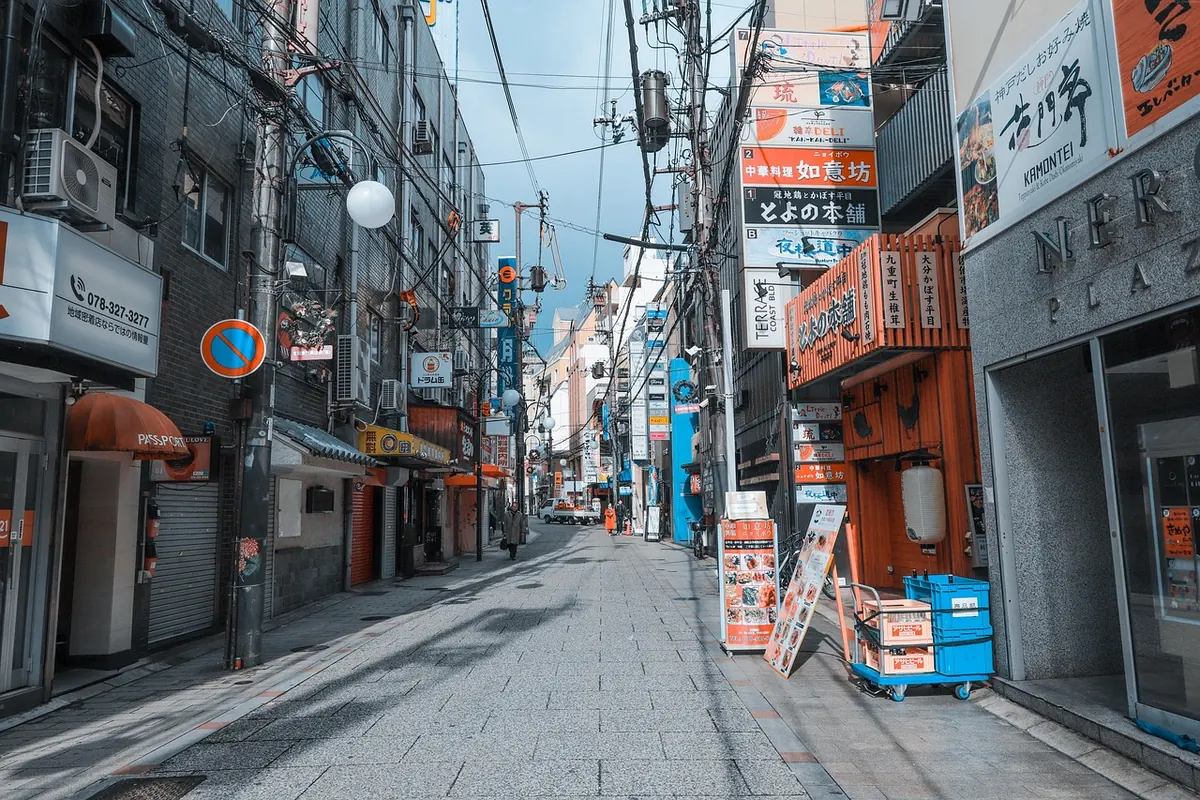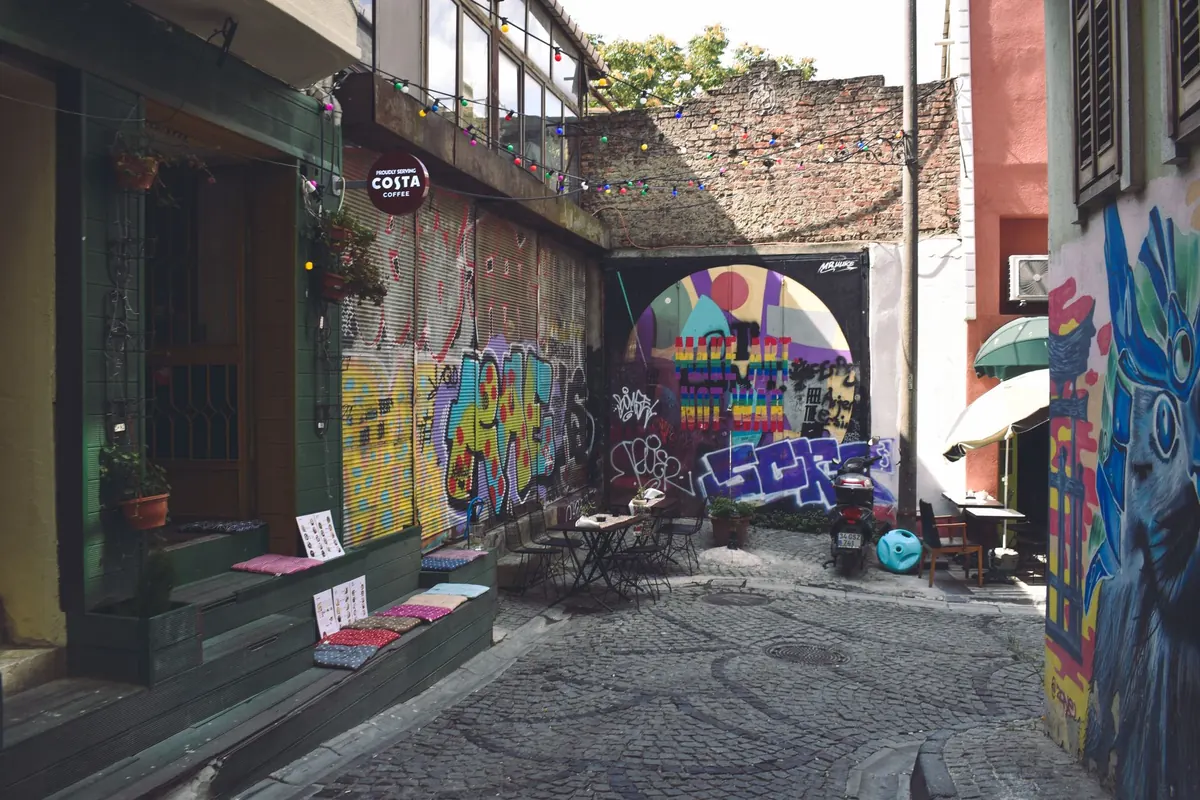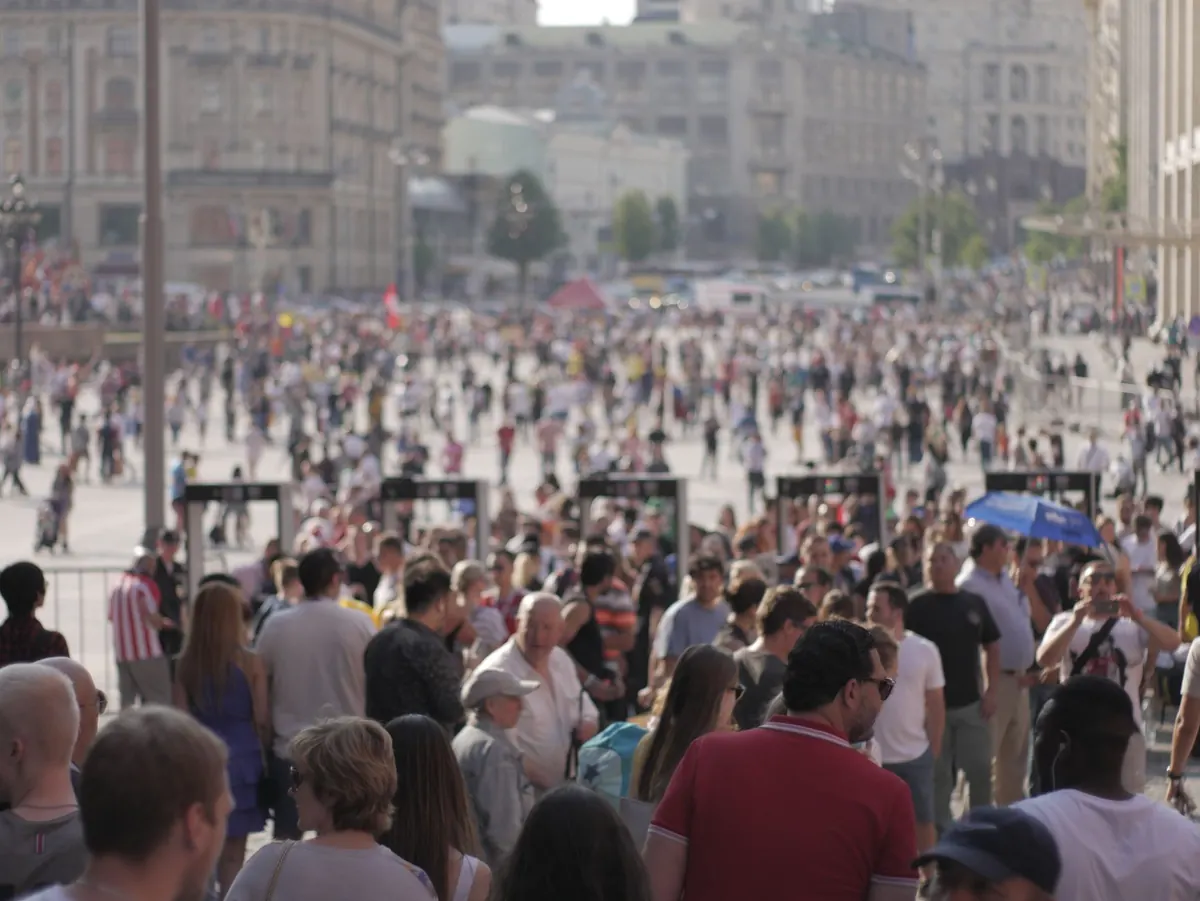
Every neighborhood has one: a square people treat as a living room, and another three streets away that nobody stays in for longer than a minute. The difference is rarely the paving. It is in the benches, the doorways, the stalls, and the small routines that repeat there every morning. You can learn to see all of it in a quarter of an hour, without a clipboard or a single interview. You just have to stop walking and start watching.
Start with somewhere to sit
Seating is the first thing to check, because a square without it is a corridor with better architecture. Look at what the seats are made of and where they point. A row of benches facing a road serves people waiting for a bus; a scatter of benches facing each other serves people who came to talk.
Ledges, low walls, steps, and fountain rims count as seating too, and often get used more than the official benches, especially by teenagers and by anyone who would rather not feel watched. Then ask three questions of every seat:
- Is there shade in summer and sun in winter?
- Can one person sit there alone without feeling exposed?
- Is it close enough to something to watch: a fountain, a play area, a bus stop, a fruit stall?
Movable chairs tell you a great deal. Where a café lets people drag chairs around, groups form quickly and strangers end up sharing tables. Fixed benches in a long line produce a quieter social life: regulars, each with a spot. Neither is better, but notice which one the square is offering.
Follow the feet
Stand at one corner for ten minutes and watch how people move. They rarely use the routes the designers intended. They cut diagonals, hug the shaded side, step around the fountain, and cross where the traffic lets them. A worn line across the grass, or a paved stripe everyone avoids, is the square's most honest feedback.
Watch for two things. First, the main flow: which side carries most of the walking, and at what hours. Second, the number of people who stop. A square can be busy and still dead, with hundreds of people crossing and nobody pausing. The rough ratio of walkers to sitters is the most useful thing you can measure there, and you can do it by eye.
Desire lines also tell you which way the square faces. If most traffic enters from the north and the café terraces are all on the north side, the square has a front and a back. The back is where you will find the bins, the loading bays, the bench nobody uses, and often the quietest place to sit.
Notice who is selling what
Vendors are the square's barometer. A flower seller, a chestnut cart, a man with a blanket of phone cases, an ice-cream van parked at the edge: each is making a bet about how long people linger. Where a square slows people down, trade follows. Where trade is allowed a table, a parasol, and somewhere to sit, it becomes part of the furniture.
Look at how the sellers are treated by the space. Is there a fixed kiosk with a shutter and a hand-painted sign? A regular spot marked on the ground? Any sign at all that the same person has been coming for years? Long tenure is the clearest evidence that a square tolerates its own informal life rather than merely putting up with it.
The goods on sale hint at the local rhythm. Newspapers and lottery tickets suggest a morning trade of commuters and older regulars. Ice cream and balloons suggest families in the afternoon. Nothing at all on a Tuesday and a crowd on Sunday means the square belongs to a market, a church, or some other weekly ritual, and does its real work in bursts.
Learn the clock
Every square has an hour when it becomes itself. Find it. Go three times, at different hours, and you are reading three different places.
Early morning
Dog walkers, people on their way to work with a paper cup, delivery vans reversing badly, the street cleaner. The morning shows the square as infrastructure: shortcuts, waiting points, the spot where the first coffee is drunk standing up.
Midday
School groups, office workers cutting through, a queue at the bakery. Midday is when a square is most likely to look busy while producing almost no social life at all.
Late afternoon and evening
This is usually when the square becomes a meeting point in the full sense: children let out, grandparents on the benches, teenagers claiming the steps, adults standing in loose circles. Come back on a Sunday as well. Weekend use is often nothing like weekday use, and the gap tells you whether the square serves residents or passing trade.
Read the edges
The buildings around a square are part of its social machinery. Walk the perimeter and count the doors that open onto it: a bar, a pharmacy, a bakery, a barber, a small supermarket. Shops selling things people buy daily produce short, repeated trips, and repeated trips produce familiar faces. A square ringed only by banks, offices, and shuttered ground floors will empty at six and stay empty.
Windows matter as much as doors. A café with its chairs turned outward and its windows open is lending the square its furniture. A café with the blinds down is treating the square as a view it never asked for. Both exist everywhere; the mix tells you what happens here after dark.
Corners deserve their own note. Most working squares have four corners doing four jobs: one for the bus stop, one for the café terrace, one for the playground, one for the bins and the quiet. Once you can name what each corner is for, you can predict where people will stand and where they will not.
The small signs that a square works
After a few visits you can size up a square quickly. These are the things to look for:
- People sitting alone, comfortably, in daylight.
- The same faces on the same benches, day after day.
- Seating in both shade and sun, within sight of something to watch.
- Several kinds of user at the same hour: children, older people, workers on a break.
- A bin that is actually reachable, and litter that gets picked up.
- Places to stand as well as places to sit, since people gather at edges rather than in the middle.
- At least one door onto the square that opens early and closes late.
- Vendors with a fixed spot and a shelter, not just a bag.
Try it this weekend
Pick a square within walking distance and give it two visits of twenty minutes each: one on a weekday morning, one on a weekend afternoon. Sit with a view of the middle. Count the people who stop, note where they stand, and write down three things that surprised you. Go back a week later and see which of them happened again.
Repeat that in a few squares across a city and the pattern becomes obvious. The squares that work are rarely the grandest. They are the ones where sitting is easy, the flow is slow, somebody is selling something, and the ground floor is open. Everything else is decoration.
Photo: Kuba Podgórzak / Pexels