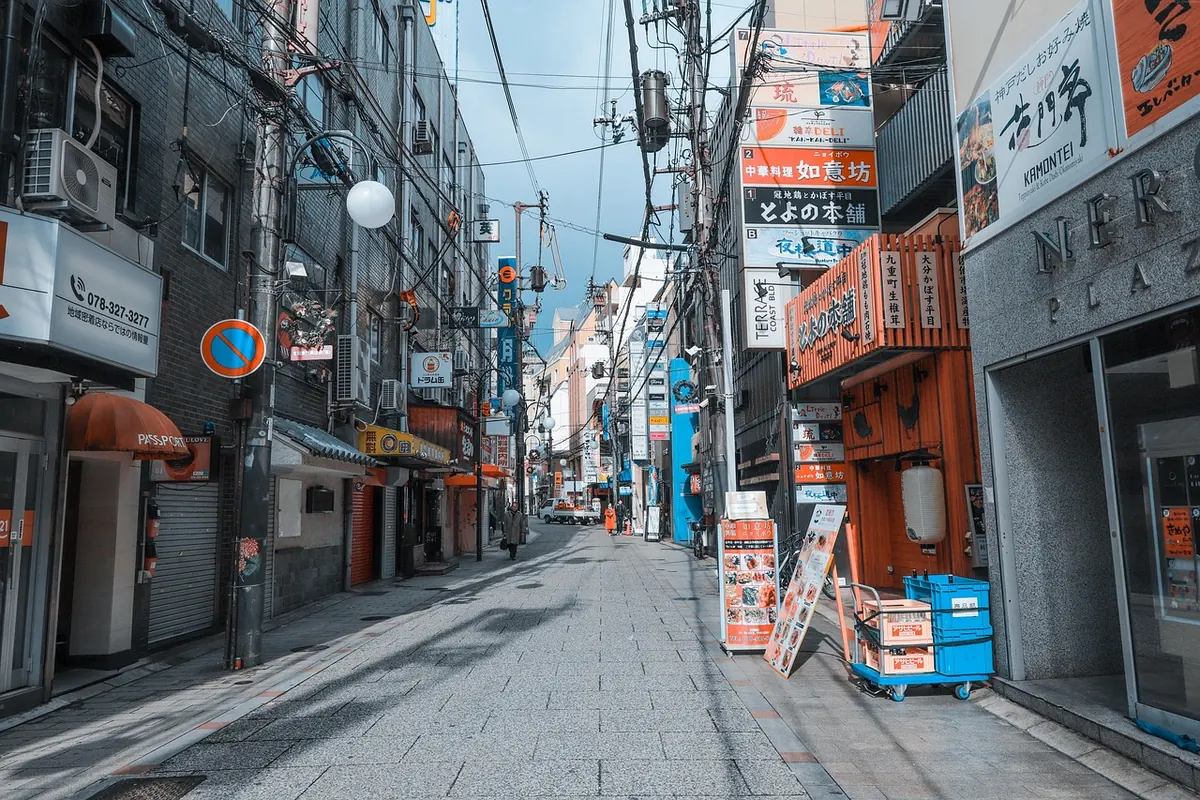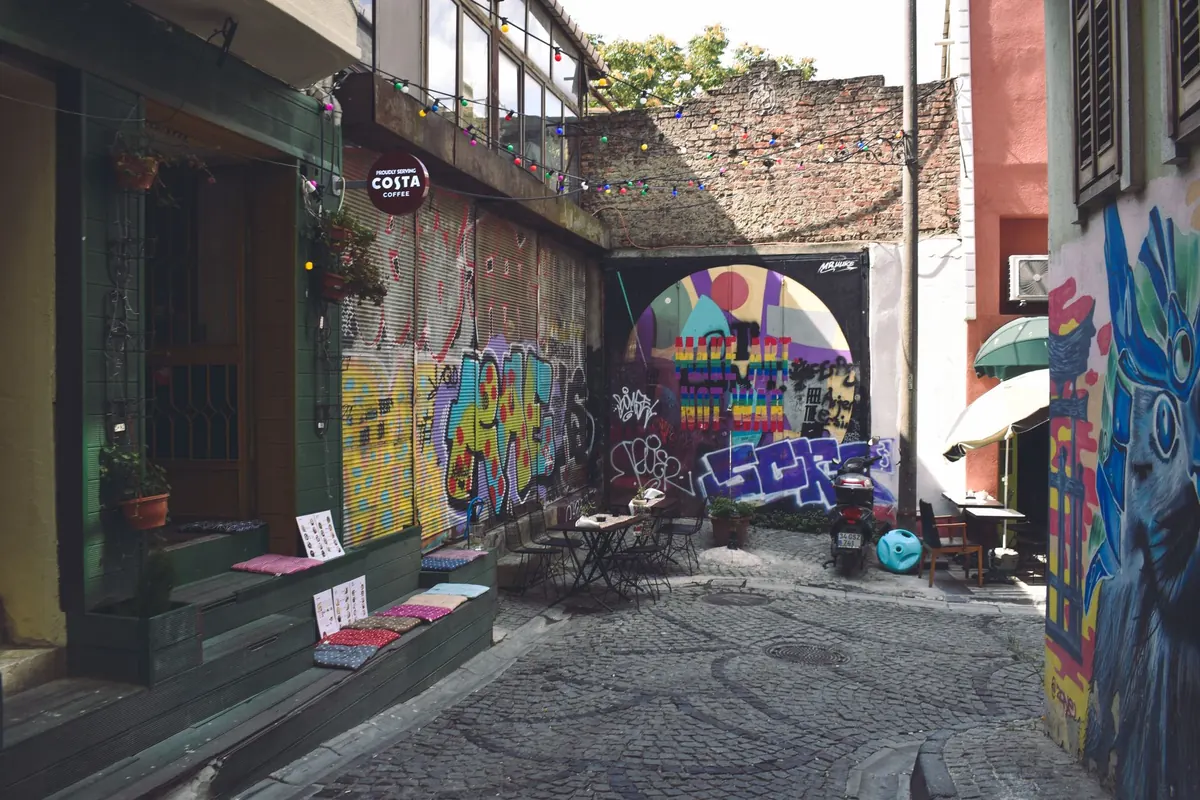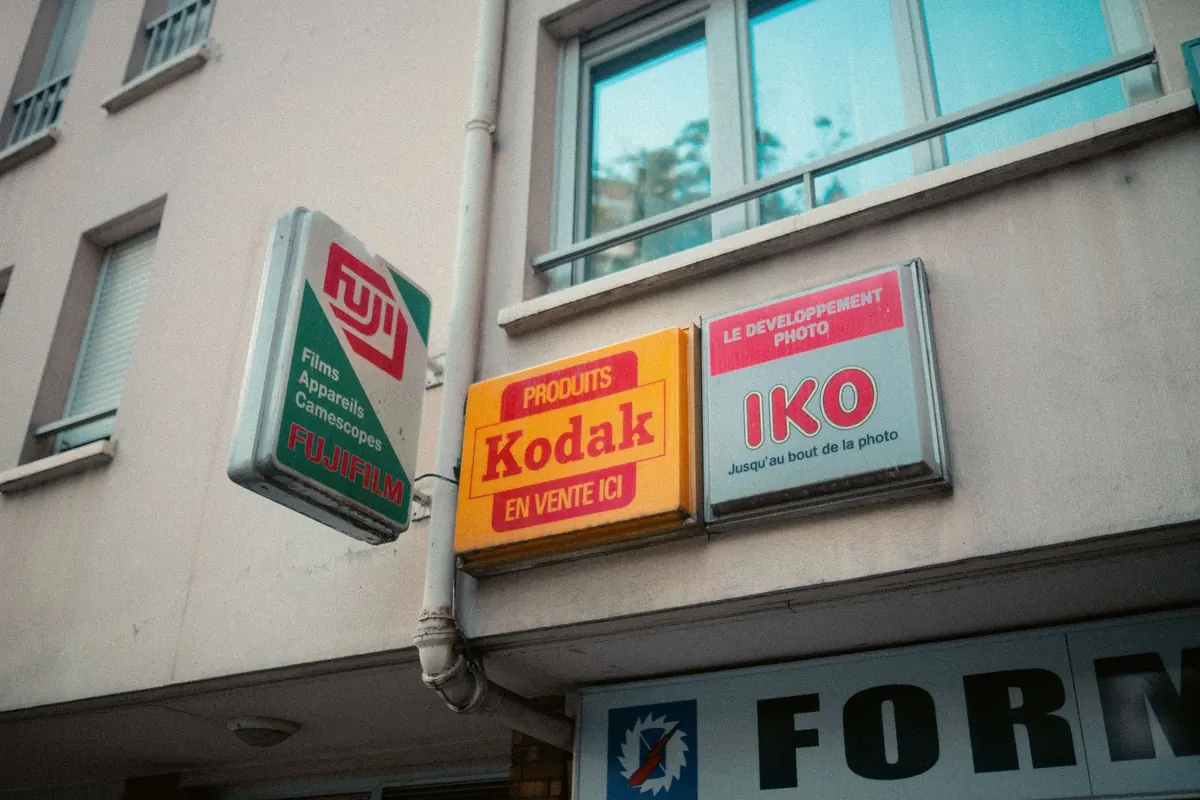
Walk the same block twice a year and the street will tell you what a spreadsheet cannot. A bakery becomes a phone repair shop, but the old sign stays above the new vinyl banner for three months. A handwritten “Back in twenty minutes” note yellows behind the glass until it becomes a permanent fixture. A cafe’s chalkboard disappears, replaced by a paper lease notice taped at eye level. These are not grand events. They are small, dated marks of change, and anyone with a notebook, a phone camera, and a little patience can record them.
Start With a Fixed Route and a Simple Log
Choose one block, or one side of a street, and walk it at roughly the same time each week or month. Consistency matters more than coverage. A single photograph of an empty shop is a curiosity. Five photographs of the same doorway over a season become evidence.
Keep the log simple enough that you will actually use it. For each visit, note:
- Date, time, and weather—light and shadows affect what you can see in a photograph.
- The address or nearest cross streets, plus which side of the street you are on.
- The business name exactly as written, including misspellings or missing letters.
- Status: open, closed, boarded, papered, under work, or unclear.
- Sign type and condition: hand-painted, vinyl, light box, chalkboard, printed banner, or bare board.
- Window details: display, notices, hours, menus, security grille, or nothing at all.
- The exact wording of handwritten notes, even if it is only “Sorry, closed.”
The point is not to capture everything. It is to capture the same things often enough that differences become visible. A new awning is easy to miss until you have a photograph of the old one.
Read the Vocabulary of Closure
Closure has a visual grammar, and it is worth learning to read it slowly. Brown paper taped inside a window can mean renovation, a change of ownership, or the end of a business. A printed lease notice has a different tone from a handwritten “Gone fishing” card. Chairs stacked against a wall, mail accumulating behind the door, a display emptied but the shelves left in place—these are clues, not verdicts.
Record the wording and the condition. Is the paper fresh or sun-bleached? Are the edges curling? Has the tape been applied in a hurry? A sign removed from its brackets leaves bolt holes, a clean rectangle on a dirty facade, or faded paint where the letters used to be. Sometimes the most useful detail is the ghost of the previous sign beneath the new one.
Do not treat one clue as a conclusion. “Closed for renovation” may be accurate, or it may be the first draft of a permanent closure. Your job is to note what is visible, when you saw it, and what changed. Interpretation can come later, and it should be kept separate from the record.
Signs Are the Most Human Layer
Signs are where a street shows its handwriting. A hand-painted sign carries the mark of a person: brush edges, slightly uneven letters, a phone number added in a different style. A printed vinyl banner zip-tied over old lettering tells a story of speed and budget. A light box with two missing letters is a small lesson in maintenance. None of these details is too minor to note.
Photograph the whole, then the detail
At each storefront, take a wide frame from the same spot each time, then move closer. A useful sequence is:
- The full facade, including neighboring units, from the sidewalk.
- The sign band and lettering, straight on where possible.
- The door, threshold, and house number.
- The window display and any small notices taped to the glass.
- The edge where new signage meets old paint, tile, or metal.
Stay on public ground, avoid blocking doorways, and ask before photographing inside. Do not publish close-ups of identifiable people without their consent. A storefront is a public face, but it is still someone’s workplace.
Shop Windows as Slow Time-Lapse
A shop window is a diary written in tape and paper. Menus get reprinted with prices crossed out by hand. Opening hours change from a neat printed sign to a photocopied sheet. A community notice board fills with language classes, lost cats, and room rentals. Seasonal displays tell you what the shop thinks its customers want, and how quickly that idea changes.
Look for the informal layer as well as the designed one: laminated permits, delivery stickers, security grilles, handwritten “cash only” notes, and the small “back in 15 minutes” signs that outlast the fifteen minutes. A window that fills with boxes and no display may be a sign of inventory trouble or a business preparing to move. Again, record the fact before reaching for the meaning.
A window is also a boundary. You can learn a lot from the sidewalk without pressing your nose to the glass. If a shopkeeper notices you taking photographs, a brief explanation and a smile are usually enough. If they ask you to stop, stop.
Keep Notes and Interpretations Separate
The most useful habit is a simple two-column discipline in your notebook or phone note. On one side, write what you see. On the other, write what you think it might mean. Keep the first side plain and dated. Let the second side be curious, provisional, and easy to revise.
14 March, north side, near the corner. Bakery sign repainted; vinyl banner over old lettering. Window: two trays, handwritten “cash only” taped to glass. Neighboring unit papered, no notice visible.
That kind of note ages well. It does not claim the bakery is thriving or the neighbor is finished. It gives you something to check on the next walk. Over time, the plain side becomes a small archive of changes: which signs were repainted, which windows went dark, which handwritten notes became permanent.
Build a Small Archive That Ages Well
You do not need special software. You need a date, a place, and a backup. Organize photographs by year and street, and name files so they sort sensibly
Photo: James Collington / Pexels