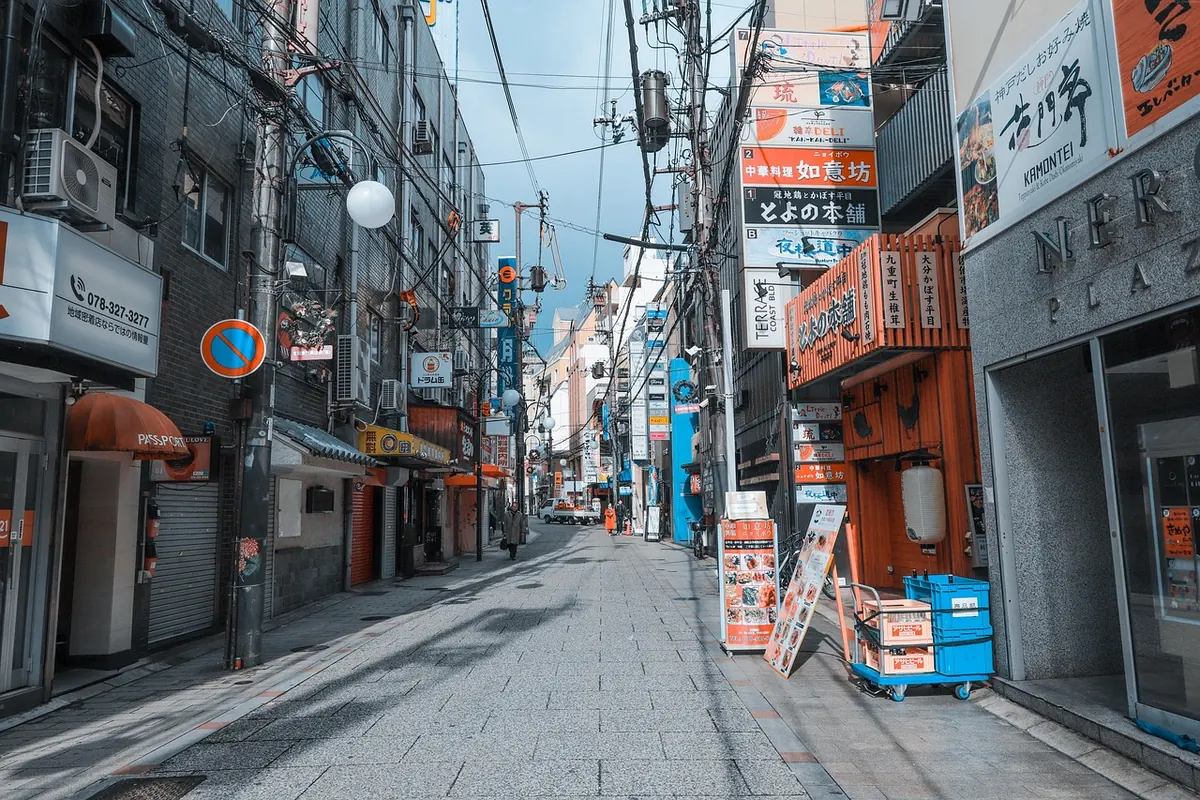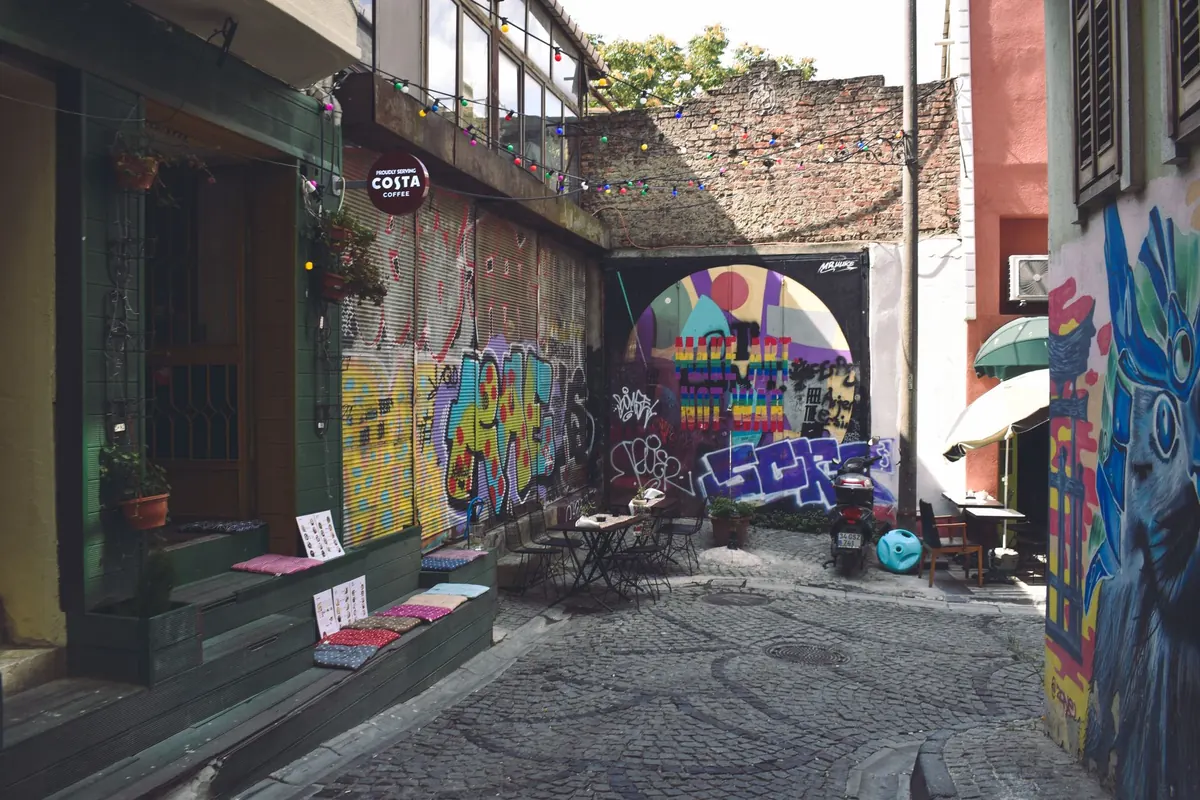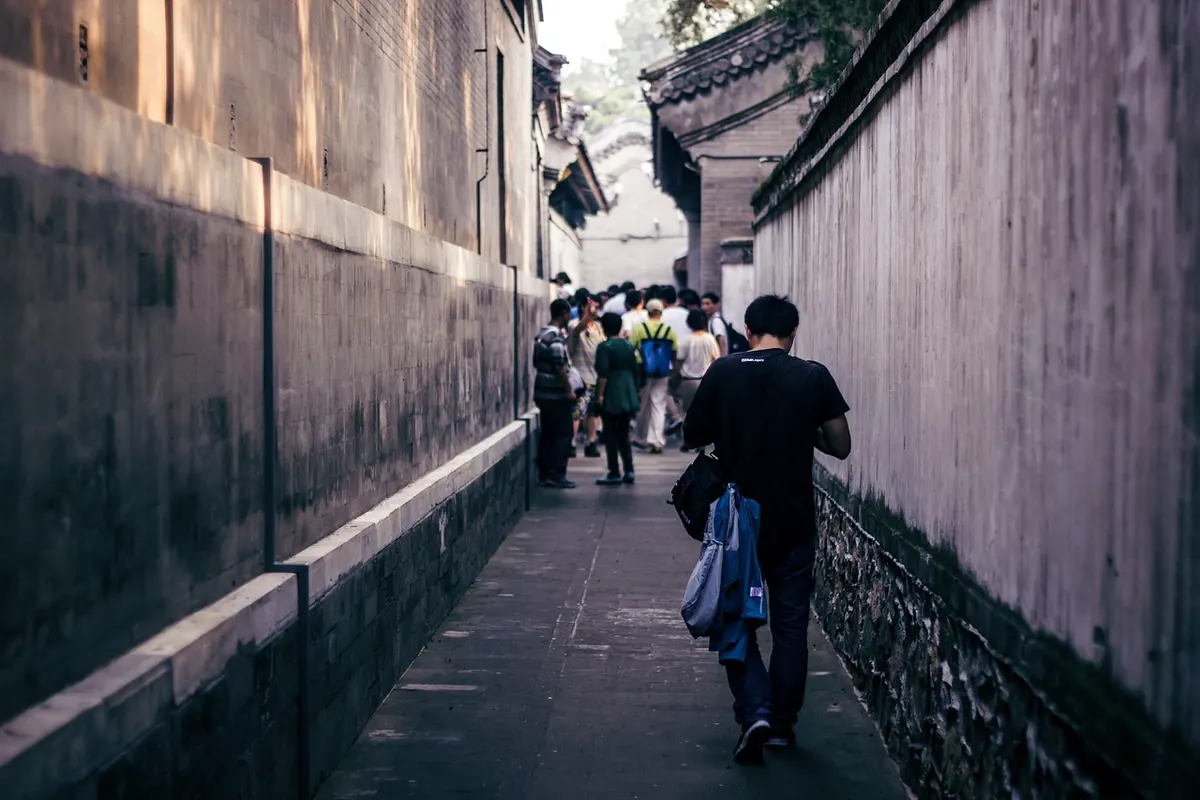
Every neighborhood looks different from the pavement than it does from a car window or a map on a screen. The bakery with the queue out the door at eight in the morning, the bench where the same three men sit every afternoon, the shortcut that turns out to be a dead end behind a loading bay — none of that shows up unless you walk it. But a good walk in unfamiliar territory isn't pure improvisation. Twenty minutes of preparation buys you hours of freedom, and it keeps the day from turning into a search for a bathroom or a phone with four percent battery.
Here's what to sort out before you set foot in a neighborhood you don't know.
Start With the Shape of the Day
Timing decides what you'll actually see. Walk a residential district at three in the afternoon and you'll get closed shutters and a lot of parked cars; walk it at seven in the evening and you'll get football practice, people watering plants, and a completely different street. Market areas empty by early afternoon. Bar districts are quiet and slightly eerie at noon and loud after ten.
Pick a two- or three-hour window that matches what you're curious about, then check the boring logistics: when does the sun go down, and what's the weather doing? A neighborhood that feels welcoming at midday can feel like a different place after dusk if you don't know which streets open onto a main road. If you're going in the last two hours of daylight, plan to be back near a transit stop you recognize before the light goes.
Map the Route, Then Deliberately Loosen It
You want a frame, not an itinerary. Sketch a rough loop — pick a start point, a rough halfway mark, and an end point that isn't the same as the start, so you're not retracing your steps. Mark two or three things you'd like to pass: a park, a church, a covered market, a piece of architecture you've read about. That's enough.
Resist the urge to plot every turn. A street-by-street route turns the walk into an errand. What you want is a handful of anchor points and a lot of space between them.
A useful pre-walk check, done in about fifteen minutes:
- Know your transit anchors. Identify two or three stations or stops around the area, not just the one you arrive at. If the walk goes sideways, you always have an exit.
- Find the green space. Parks, squares, and riversides give you a place to sit, orient yourself, and eat something without feeling like you're loitering.
- Check for the barrier. Rail lines, ring roads, and rivers cut neighborhoods in half. Locate the crossings in advance so you don't burn an hour walking along a fence.
- Note one place to eat — not the best-reviewed place in the city, just somewhere plausible and open at the hour you'll be there. You can ignore it once you smell something better.
- Save an offline copy of the map. Signal drops in courtyards, basements, and along old walls, and a blank map screen in an unfamiliar street is a small but real annoyance.
Water, Food, and the Bag You'll Actually Carry
Take more water than feels necessary. Thirst sneaks up on you when you're distracted by surroundings, and it's the single most common reason a good walk ends early. A refillable bottle plus a known place to top it up — a park fountain, a station, a cafe where you're buying something anyway — covers most days.
Pack light, but pack with intent:
- A bottle of water and something small to eat, so hunger doesn't decide your route.
- A portable charger, or a phone above eighty percent when you leave.
- A paper or written note of the address you're staying at. It sounds old-fashioned until the battery dies.
- Comfortable shoes you've already broken in — new shoes are the second most common reason a walk ends early.
- Cash in small notes, useful where card readers are unreliable.
- A layer more than the forecast suggests, for shade, wind, or an over-air-conditioned shop.
Safety Basics Without the Paranoia
Most of what keeps you safe on a first walk is unglamorous: walk with purpose, look at the street rather than down at your phone, and keep your bag zipped and in front of you where crowds are dense. If you're photographing doorways and balconies, step out of the flow of foot traffic and keep your device close to your body.
Trust the flat feeling. If a street turns quiet in a way that makes you uneasy — no people, blocked sightlines, a group ahead that you'd rather not walk through — turn around and take the long way. There's no prize for finishing a loop you designed on a map. Walk on the side of the road facing oncoming traffic where there's no pavement, cross at marked crossings, and give yourself permission to abandon the plan.
If you're walking alone, tell someone roughly where you'll be and when you expect to be back. If you're walking at night, stick to lit, populated streets even if they're less interesting. And if a health condition, injury, or mobility limitation is part of your day, plan the route around it and check with a doctor or physiotherapist about what's sensible — that's a conversation for a professional, not a checklist.
Leave Deliberate Room for Nothing in Particular
This is the part most people skip. Build a buffer of forty minutes into the walk with no assigned purpose. That's the time you spend watching a man repair a bicycle outside his shop, following the smell of bread down a side street, or sitting on a low wall because the light on the buildings is good.
Unplanned stops are usually the ones you remember. The trick is simply to have the time available and no urgent reason to move on. If your schedule is packed from start to finish, curiosity has nowhere to land.
Notice One Thing Per Block
Give yourself a light assignment to keep your eyes working: one observation for every block. It can be a detail — the way a building's ground floor changes from apartments to workshops, the different languages on shop signs, laundry lines strung between windows, a corner where three churches stand within sight of each other. It can also be a pattern: where the neighborhood gets quieter, where the rubbish bins cluster, which corner has the benches.
Two practical habits help. First, sit down once, halfway through, and stay put for ten minutes. Watching a square from a fixed position teaches you more than walking through it. Second, note what you notice — a line in your phone's notes app is enough. By evening you'll have forgotten the name of the street with the good doorway, but you won't have forgotten that you liked it.
A Five-Minute Debrief Before You Go Back
Before you head home, find a spot to sit and answer three questions: which street would you walk again, which one would you skip, and what do you want to see next time? Note the name of the neighborhood's main crossroads or the cafe where you stopped — those small anchors are how a strange area starts becoming a place you know.
Then check your water, your battery, and the route back to transit, and take the direct way home. The wandering is done. The next visit will be better, and shorter to plan, because you'll already have a starting point. That's the whole point of the checklist: not to control the walk, but to make sure nothing small gets in the way of the part you came for.
Photo: i4lying / Pixabay